What Brands Can Learn From Film & TV
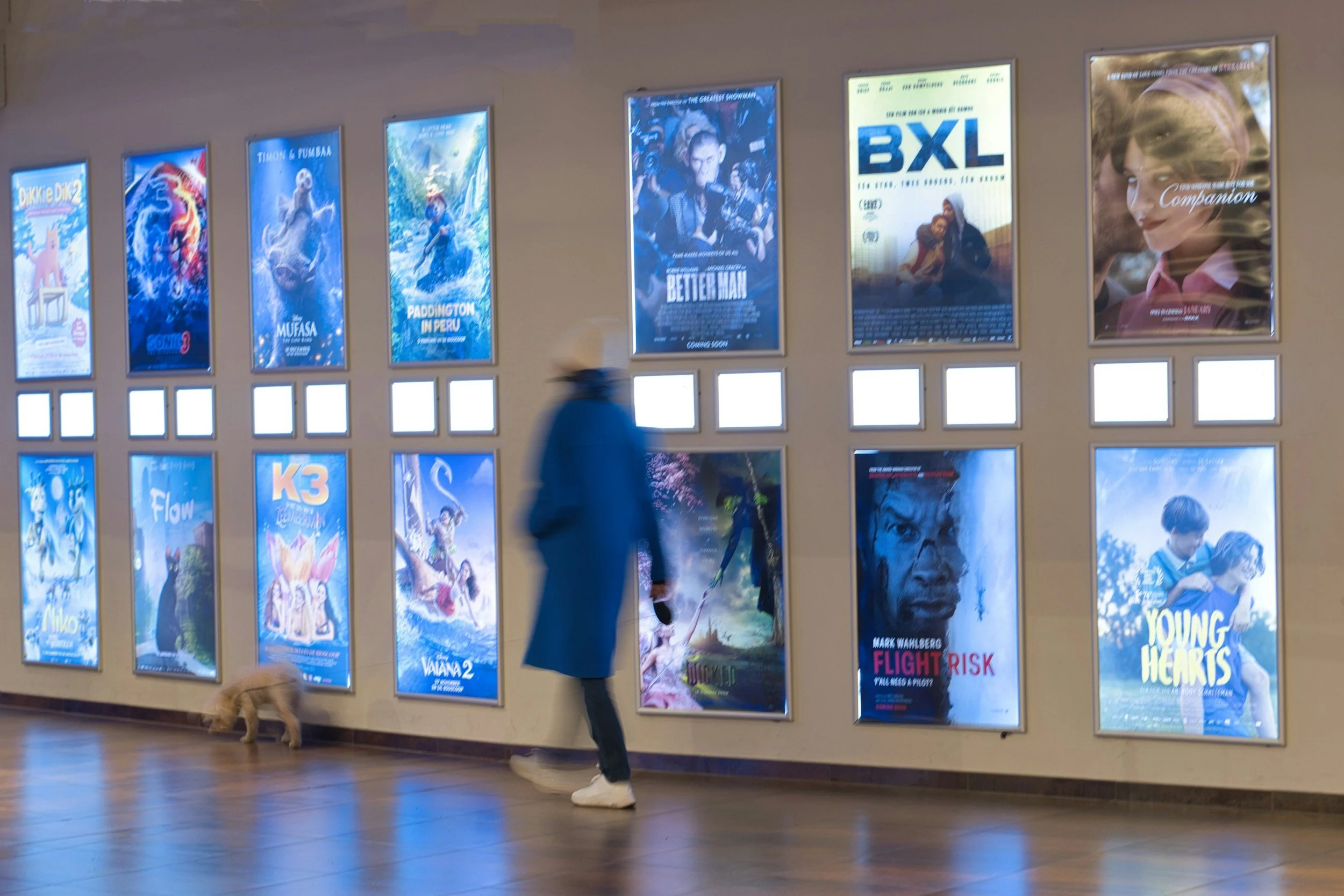
Entertainment marketing is entering a new era of co-creation and it’s something that scaling brands should be paying attention to.
The way audiences discover stories, connect to characters and participate in culture has transformed so dramatically that traditional campaigns now play a much smaller part in a show’s success.
Posters, trailers and press drops still matter, but the true momentum now comes from something far more powerful: audiences who feel emotionally involved, culturally invested and creatively expressive.
We have moved from a world of broadcasting to a world of participation. The future belongs to storytellers and marketers who understand how to tap into this energy and design experiences that audiences want to live inside of.
Shows aren’t just watched anymore
Few recent series capture this shift better than The Summer I Turned Pretty. The show did not simply attract viewers. It created a deep emotional attachment that felt more like a shared lived experience than passive entertainment. The “Team Conrad versus Team Jeremiah” divide became its own cultural language.
Online communities treated the characters as if they were real people navigating real heartbreak, and TikTok was filled with edits, essays, playlists and confessional-style commentary. The emotional investment blurred the boundaries between the fictional world and the audience’s own memories and desires. People were not only watching Belly’s story unfold.
They were re-experiencing their own adolescence through it. This kind of emotional bleed is becoming central to modern entertainment. A show succeeds not only because people enjoy it but because they feel it.
The audience has become the cultural engine
In this new landscape, marketing no longer sets the tone. Audiences do. Their reactions, humour, debates and creative interpretations shape how a show travels through culture.
Love Island is one of the clearest examples. Its daily structure creates a constant flow of emotional moments that viewers immediately transform into jokes, memes, edits and commentary. The show provides the spark, and the audience turns it into a cultural fire. Marketing teams no longer need to push conversations. They simply need to understand how to guide the ones that already exist.
This could also be the reason as to why many studios and production companies are sticking to extending franchises and making more seasons of existing shows because they know the audience is more likely to be engaged and want to create content around a show they’re already invested in.

World building is the new foundation
Modern entertainment brands succeed when they create worlds that people recognise instantly and want to spend time in.
Love Island’s neon typography, pastel colours, beach aesthetic and familiar language give it a coherent identity across every international version.
The Summer I Turned Pretty builds a very different but equally strong world through soft summer palettes, ocean blues, romantic nostalgia and music-driven emotion. These worlds are not accidental. They are strategic ecosystems that define how audiences feel, behave and engage.
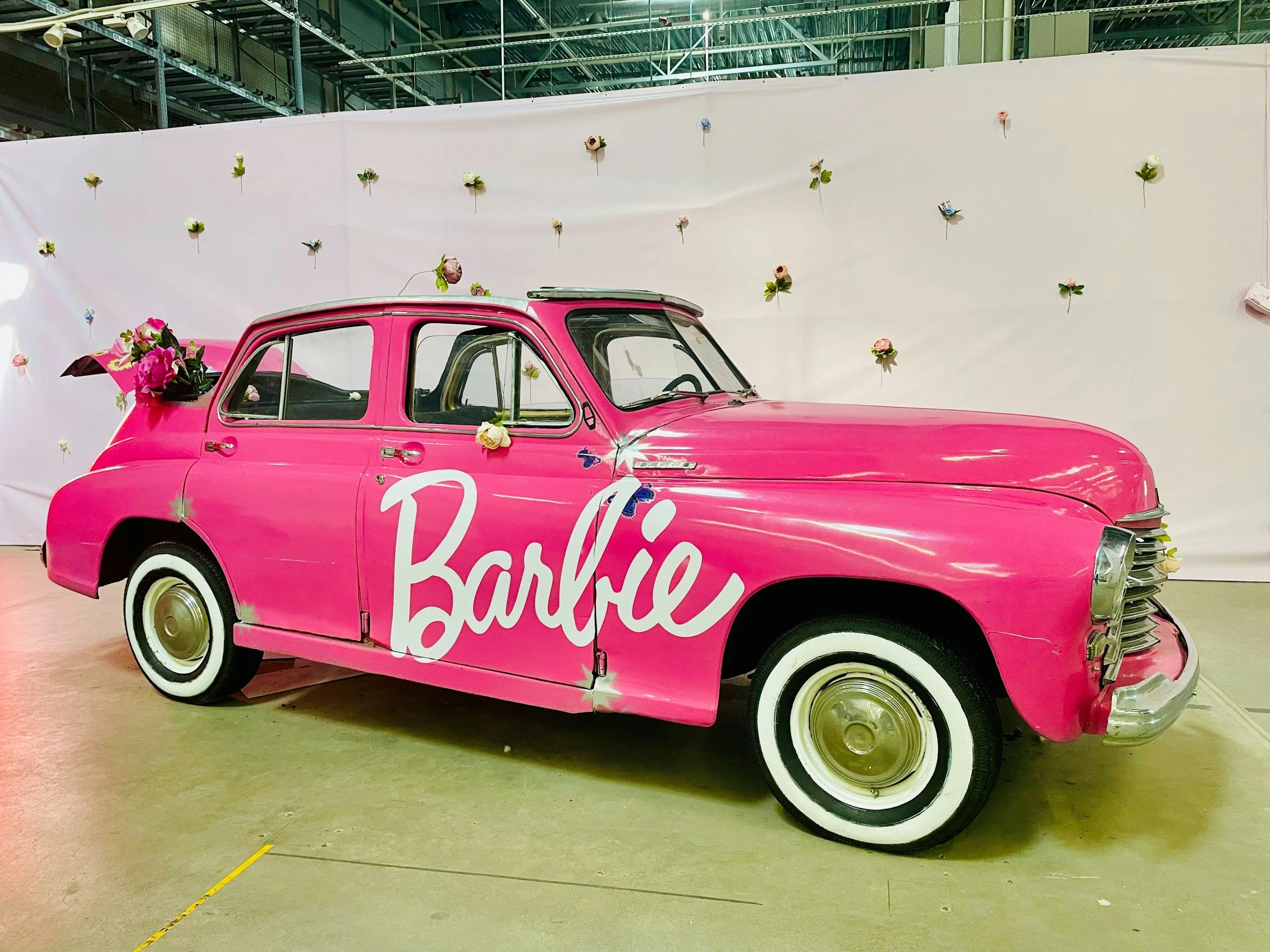
The most sophisticated example of this in recent years is Barbie. Greta Gerwig’s film became a global cultural event because the world of Barbie was built with absolute clarity.
The marketing was playful, self-aware and bold, but always consistent with the film’s tone. Barbie did not target one type of audience. It spoke to many: fashion lovers, nostalgia seekers, queer communities, meme makers, feminist thinkers, Pinterest dreamers and film fans. Its world was flexible enough to stretch across communities without ever losing its identity. That is the power of intentional world building.
The strongest campaigns today treat culture as the campaign itself. A show must resonate emotionally, visually and socially in ways that reflect the world audiences live in. The Summer I Turned Pretty did this by tapping into themes of girlhood, longing and nostalgia. Love Island does it through humour, chaos and the dynamics of modern dating.
Barbie extended its cultural reach through partnerships that made sense for its tone of voice, from high fashion to fast food. Each extension reinforced the story rather than distracting from it. The lesson is simple. A campaign should feel like a natural expression of the world it comes from.
Quality matters more than quantity
In a world where content is constant and overwhelming, audiences respond to work that feels intentional. A single scene from a show can generate more cultural momentum than weeks of generic promotional posts.
The most successful campaigns focus on emotionally resonant moments rather than sheer output. When something feels real, specific and aligned with a brand’s identity, it travels further because audiences want to share it.
Co-creation is the next frontier
The most important shift of all is the rise of participatory storytelling. Audiences do not want to consume stories. They want to shape them. They rewrite scenes, debate subtext, predict plotlines, design fan posters, make edits, create memes and build entire emotional theories. This behaviour is not extra. It is central to how a modern entertainment brand grows.
The future belongs to shows that embrace this behaviour rather than resist it. When audiences feel ownership, they become the engine that carries a story further than any campaign ever could.
Entertainment is no longer passive. It is emotional, immersive and collaborative. The next decade of entertainment marketing will be shaped by storytellers who understand human psychology, cultural behaviour, aesthetic worlds and the power of community.
The campaigns that succeed will not be the loudest or the most expensive. They will be the ones that create a world people want to step into and give them space to shape it alongside the storytellers who built it.
The future of marketing belongs to brands that understand one thing. Audiences and consumer do not just watch content anymore. They join the world as co-creators.
