The Future Of Clout Might Be Offline
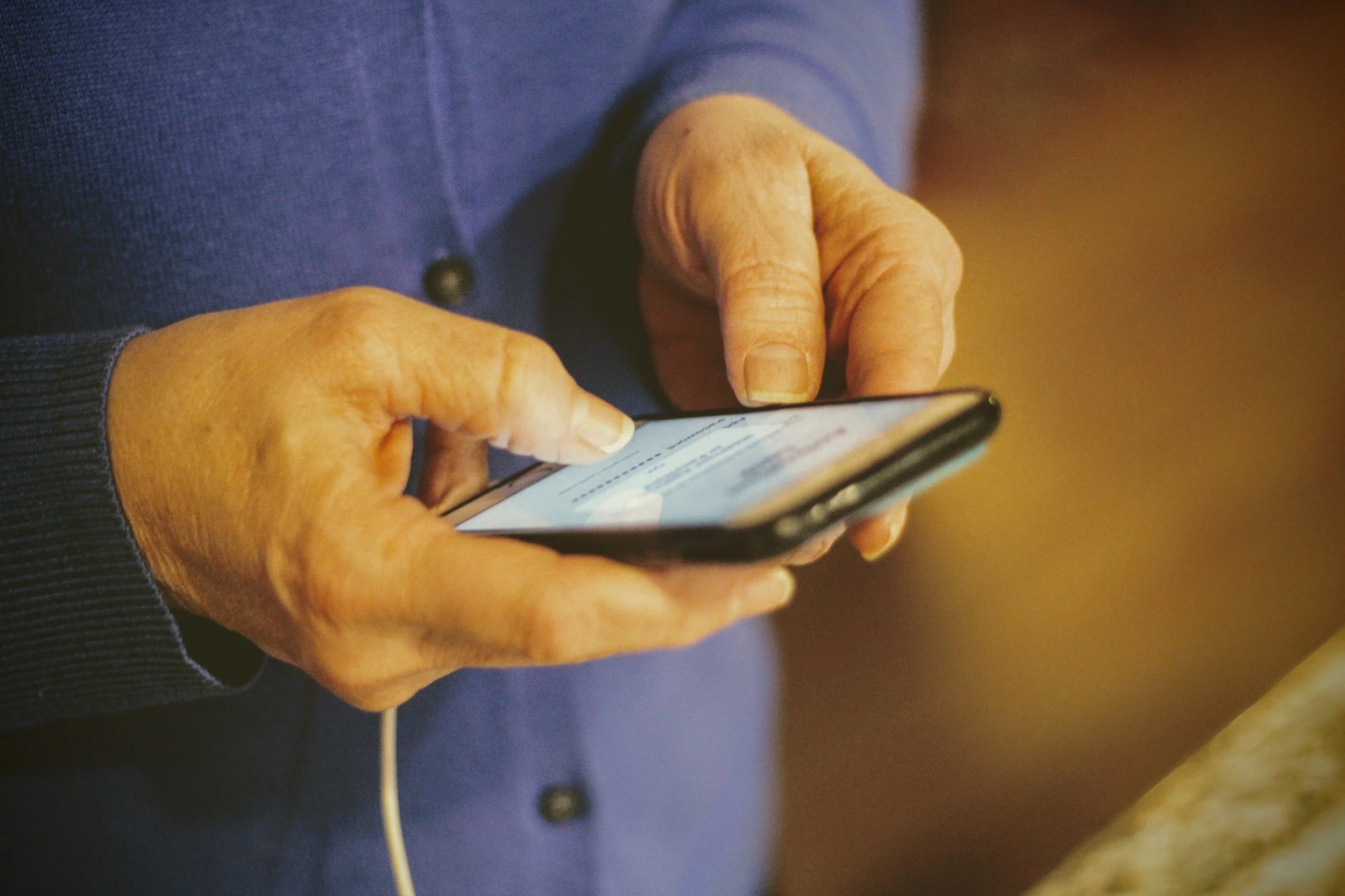
A few days ago, I was helping an elderly relative figure out why his phone suddenly stopped working. Turns out it wasn’t broken, the 3G network had just simply been switched off. Overnight,a policy decision that may seem insignificant to many caused millions of people across the country to be eradicated from the digital world entirely.
For most people replacing these old devices isn’t an option.
So does their life come to a standstill? Strangely, I don’t think it does.
In a society built around screens, at the centre of an AI boom and a creator economy worth billions, there is a life worth living offline. The older population continue doing their daily activities without the pressure of documenting every movement for validation. For them, life will still go on.
You can already see this narrative elsewhere. The Offline Club, a phone-free event that began in the Netherlands and has since spread across Europe and the Middle East, asks guests to seal their devices in soft pouches for the evening. No one films their outfit or checks a feed mid-conversation. People dance, talk and eat as though it were 2005. The club’s expansion hints at something larger: digital fatigue is reaching a point where losing access feels less like deprivation and more like relief.
Doomscrolling has become the default state of modern life. According to Deloitte’s 2023 Digital Consumer Trends report, 84 percent of Gen Z and millennials say their devices make life easier, but nearly four in ten also feel overwhelmed by the number of gadgets and subscriptions they manage. What began as a convenience to stay in touch has quietly become a full-time relationship with the algorithm.

For the past decade, status has been defined by online clout. Likes, followers and viral moments. Before 2020, creators made content for fun. You rooted for someone’s humble beginnings after a viral post and it was exciting to watch their journey into cultural relevance. Now, views are tied to income and authenticity itself has become a strategy. Virality feels predictable. “Relatability” has been replaced by performance. The result is a generation caught between craving connection and competing for attention, a cycle that’s increasingly exhausting to maintain.
In that exhaustion lies the opportunity for something different. As digital spaces grow louder, the new form of status may come from being unreachable but more importantly present, fully there. The return of in-person experiences hints at this shift: spaces that ban phones, members’ spaces that privilege privacy, and concerts where artists ask audiences to watch rather than record. In these environments, influence isn’t measured in reach but in proximity. Clout, it turns out, can exist without Wi-Fi.
Digital life is obviously not disappearing; collaboration and creativity still and will forever more flourish online. But the more our identities depend on algorithms, the more value there is in moments that can’t be captured. Offline interaction feels scarce, and scarcity is the new prestige.
Maybe the future of clout isn’t about abandoning the internet altogether but about recalibrating what attention means. In an age where every action can be recorded, choosing not to perform becomes an act of agency. The next wave of influence might belong to those who can be fully present - not for the camera, but for each other.
