The Glow Up Economy: Why boring products make viral brands?
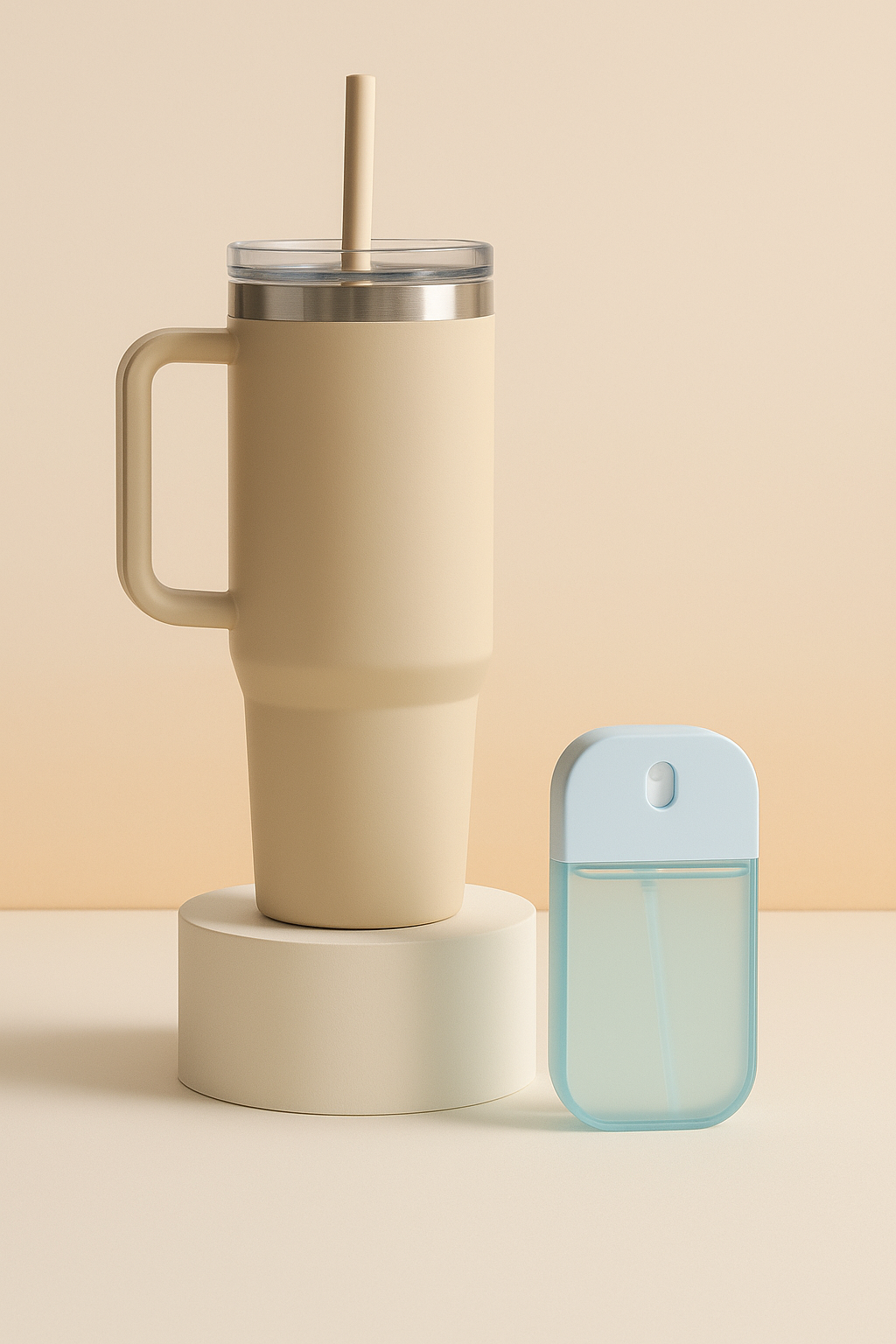
Hand Sanitiser.
What could be so great about hand sanitiser?
Well on TikTok, the Touchland brand is treated exactly like a collector’s item. Sleek, pastel-coloured bottles often pop up in what’s in my bag videos, bathroom shelf displays, and endless unboxings. What was once a forgettable, purely functional product now sits front and centre as a marker of taste.
This isn’t a one-off. From oversized water bottles to pastel razors and even matcha lattes, Gen Z have transformed the most mundane commodities into cultural statements. The rise of what could be called the Glow-Up Economy shows how branding, design, and TikTok virality can turn basic goods into status symbols.
The Big Shift
The rise of products like Touchland’s hand sanitiser, the Stanley Quencher, and Matcha Lattes signals more than just clever marketing, it reflects a deeper cultural shift.
For most young people, buying a car or house seems out of reach now. Through navigating a cost-of-living crisis and facing the possibility of another recession, traditional status symbols like luxury handbags, or even expensive nights out are simply unattainable. Instead, Gen Z are putting their money into products that feel good, look good, and actually fit into their everyday lives. These are things that are both useful and worth showing off.
That’s why Stanley Quencher water bottles became such a flex. It hydrates you, but also fits seamlessly into the day in the life content on TikTok or Instagram Reels. Touchland’s hand sanitiser doesn’t just keep your hands clean. It’s pastel packaging signals taste in a bathroom shelf display. Matcha isn’t only a caffeine source, it’s a ritual that says you’re health-conscious, calm, and aesthetically in tune.
Together, these glow-ups point to a generational redefinition of value - it’s no longer about buying the biggest or most exclusive thing, but about investing in affordable luxuries that blend function with identity.
Why Now?
The Glow-Up Economy didn’t appear out of thin air, it’s the result of several forces colliding at once.
The pandemic made everyday rituals feel more meaningful. Sanitising your hands, making coffee at home, or filling up a water bottle weren’t just chores; they became small acts of care and survival. That opened the door for brands to turn mundane routines into moments worth celebrating.
At the same time, social media transformed private life into performance. A bathroom shelf, a desk setup, or even the inside of your gym bag became content for TikTok and Instagram. Products had to look good, not just work well, because they were now part of the story people told about themselves online.
And crucially, Gen Z entrepreneurship supercharged this shift. More and more influencers are becoming founders and they know how to sell a brand to their audience. They aren’t just selling products they’re selling belonging. Emma Chamberlain didn’t just launch coffee; she launched a community. The creators who revived the Stanley cup didn’t just make it functional; they made it aspirational. In the Glow-Up Economy, entrepreneurship and influence blur into the same thing.
The Glow-Up Economy shows that nothing is too boring to rebrand. What was once just hand sanitiser, water bottles or even a Japanese green tea powder - now all carry meaning, status, and identity.
In today’s marketplace, function is just the baseline. What really matters is how a product looks, feels, and the identity it helps project. If hand sanitiser can become collectible, if a water bottle can turn into a status symbol, and if razors can stand for inclusivity, then nothing is too ordinary to be reimagined. The Glow-Up Economy isn’t a passing trend; it’s a new way of assigning value. The real question isn’t whether it will last, it’s which everyday object will be transformed next.
